
- Podcast
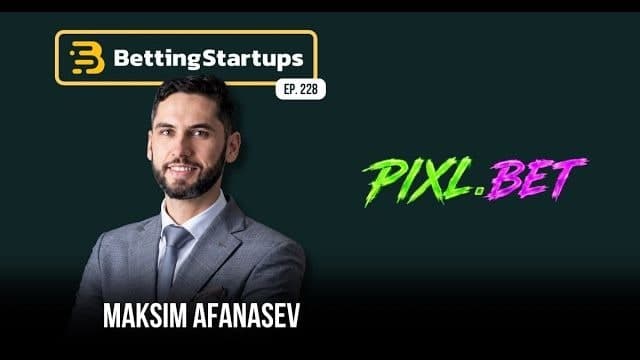
Free-to-play sports prediction games without the risk, with Maksim Afanasev of Pixl.Bet
Former sportsbook product lead Maksim Afanasev explains how Pixl.Bet delivers betting-style excitement for free, and how it plans to grow and make money.
Sports betting.
Former sportsbook product lead Maksim Afanasev explains how Pixl.Bet delivers betting-style excitement for free, and how it plans to grow and make money.
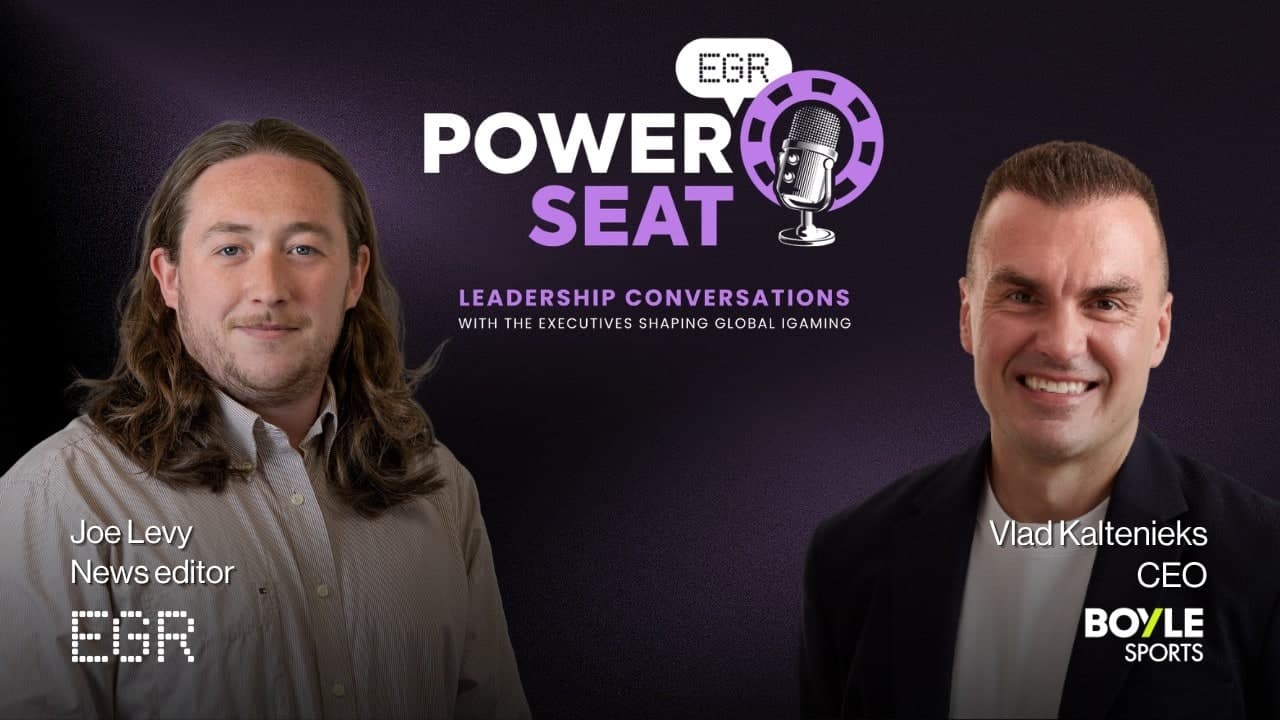
BoyleSports CEO Vlad Kaltenieks explains the rebrand of a 40-year-old bookmaker, a £100m UK bet despite rising taxes, and the push for owned product.
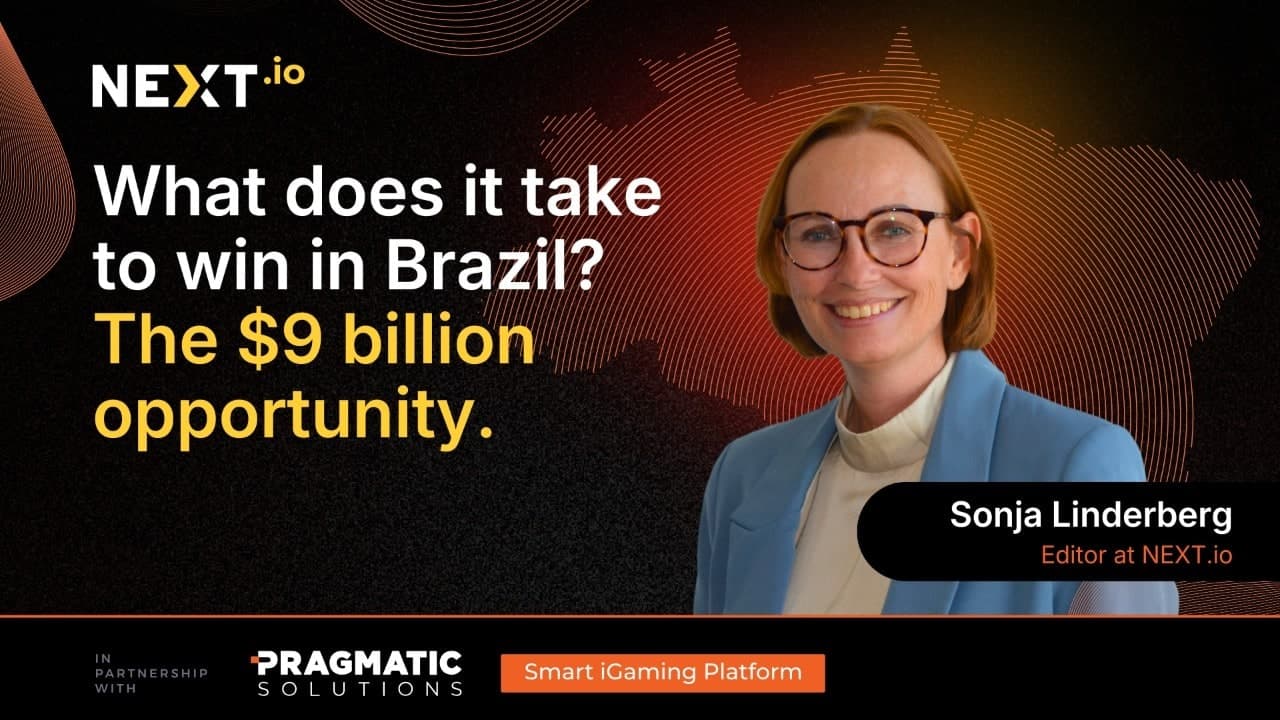
NEXT.io and Pragmatic Solutions unpack their Brazil report: year one beat forecasts by 20%, consolidation, a 42% tax load and a possible casino ban.
InGame's Daniel O'Boyle explains the record NFL Week 1 trading on prediction markets, parlays, pricing versus sportsbooks and the legal road ahead.
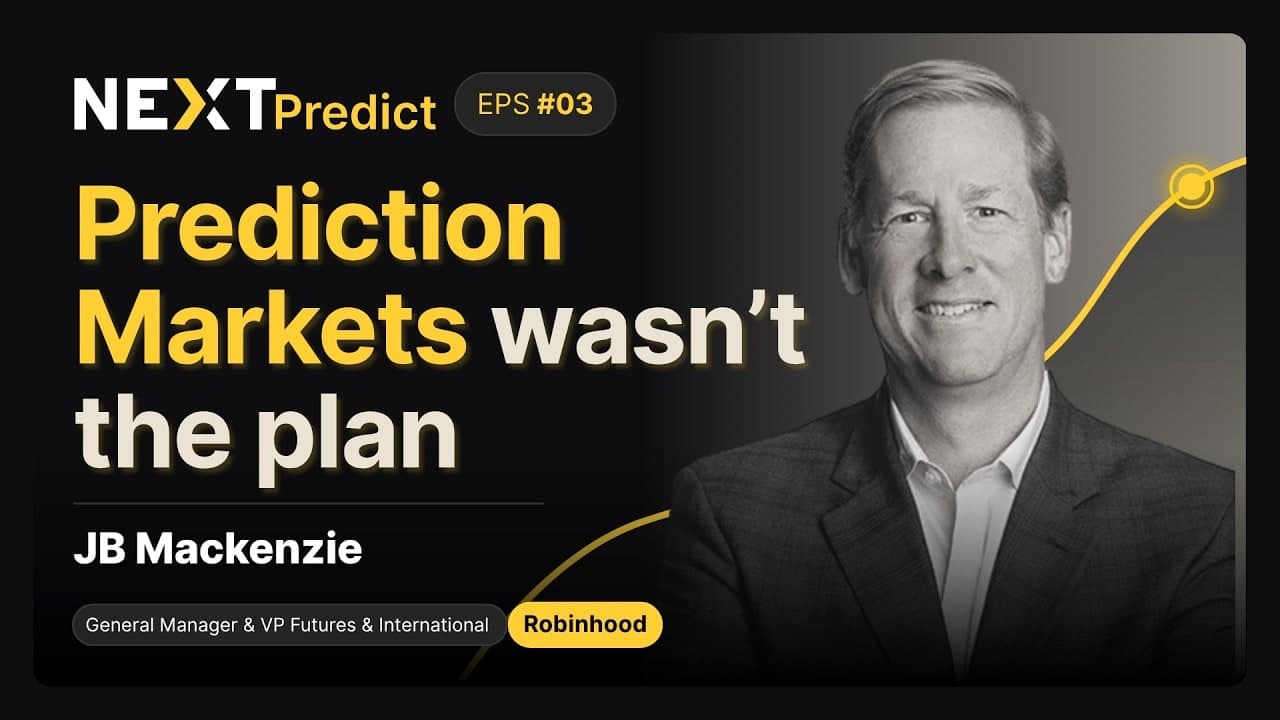
Robinhood's JB Mackenzie explains how one election-night market grew into the broker's second-biggest revenue line, and where prediction markets go next.
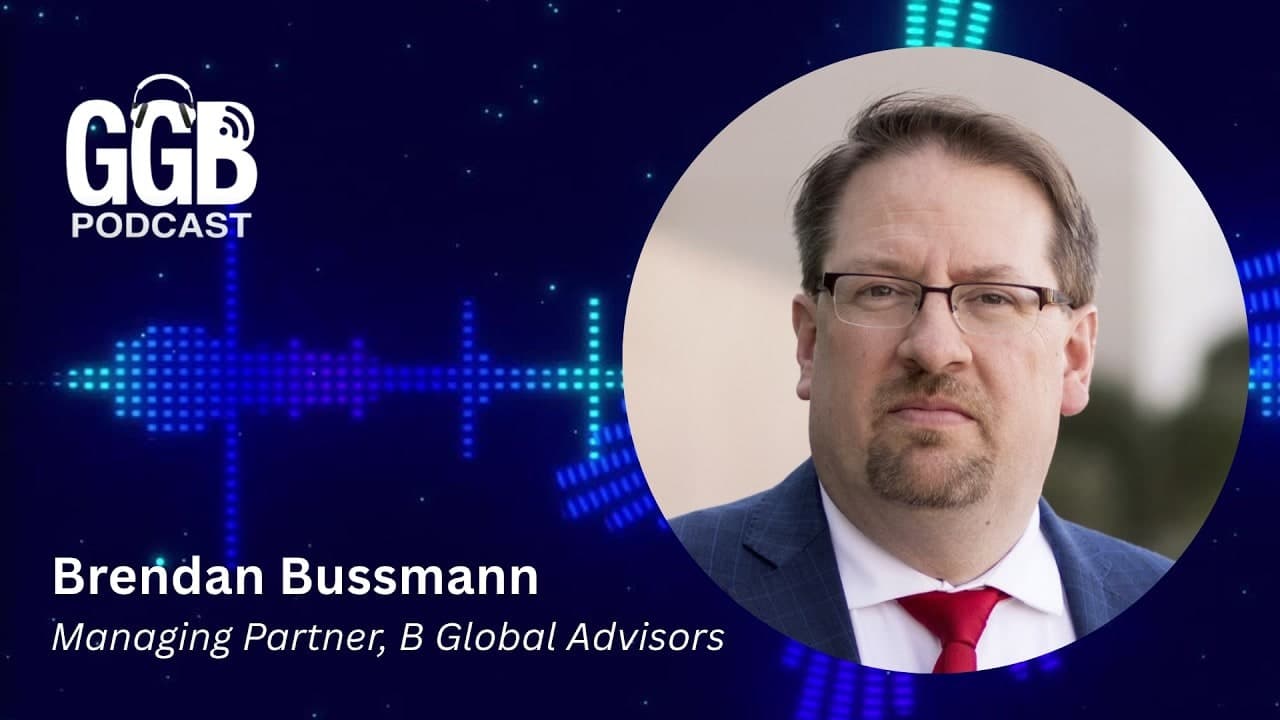
Gaming consultant Brendan Bussmann talks to iGB's Jess Marquez about his career, life on the road and current issues across casinos, betting and regulation.
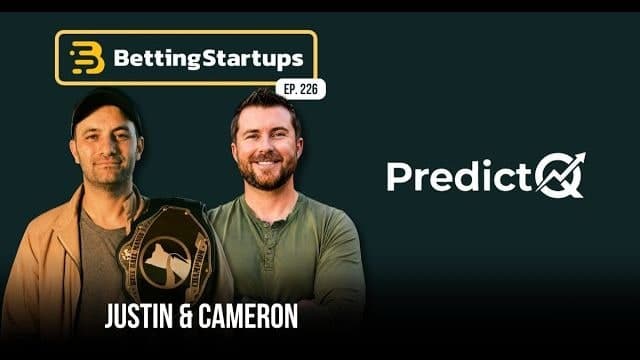
PredictQ's Justin Herzig and Cameron MacMillan on research, price comparison and portfolio tools for prediction-market traders, and trader reputation built on verifiable data.
World Sports Exchange founder Jay Cohen recounts building an offshore betting exchange in the 1990s, his prosecution, and how today's prediction markets echo it.
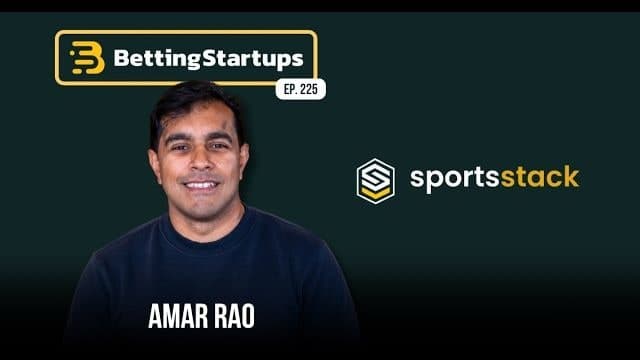
SportsStack co-founder Amar Rao, formerly of numberFire, FanDuel and Fanatics, explains how a unified API helps normalise sports data and reduce costly settlement errors.
Ryan Robey of Staicy.win on building AI betting models, keeping humans in the loop and why community is the real edge in the US betting market.
Recorded in Las Vegas, professional bettor Pads of Bookie Beats discusses live betting, liquidity and how prediction markets are changing sports betting.
Policy lead Jonathan Cohen argues for keeping sports betting legal while adding friction, and explains why he sees prediction markets as a bigger consumer risk.